
When “Traditional” Turns Risky: Why Some Asthma Herbs Fell Out of Favor
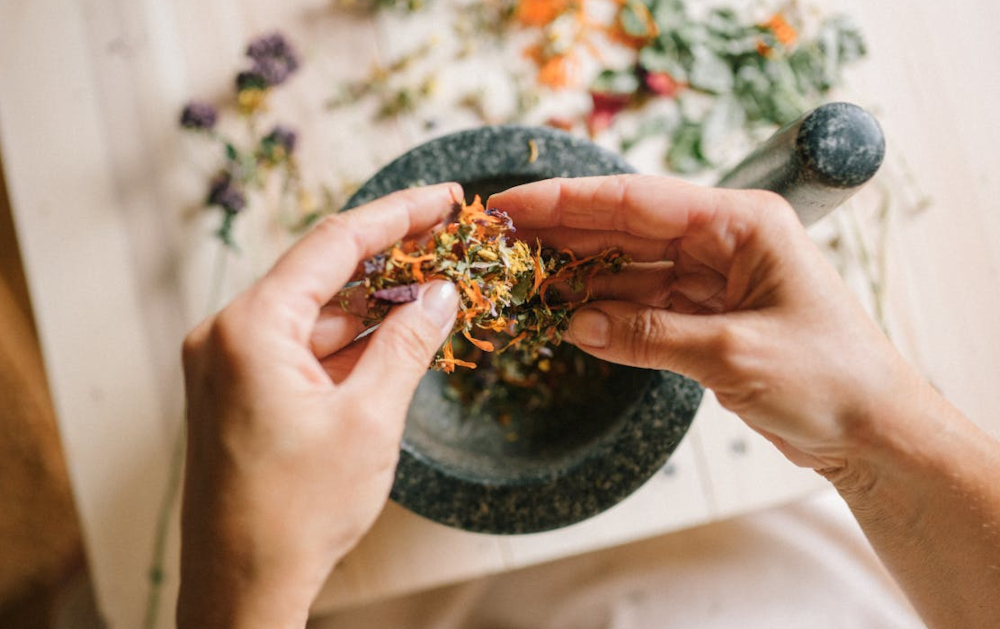
For centuries, asthma was treated with whatever seemed to open the lungs quickly. Many traditional herbs earned reputations as powerful breathing aids, yet modern medicine has quietly stepped away from several of them. This shift was not cultural dismissal or pharmaceutical pressure, but the result of toxicology data, human safety concerns, and the rise of better-studied alternatives.
Understanding why certain herbs are no longer recommended for asthma is just as important as knowing which ones remain useful.
Effect Is Not the Same as Safety
Why Early Success Was Misleading
Before modern pulmonary testing, effectiveness was judged by sensation: rapid breathing, coughing, sweating, or expectoration were interpreted as therapeutic action. Herbs that produced strong physiological responses were assumed to be healing, even if those responses were signs of stress or toxicity.
Asthma herbs that caused intense bronchial stimulation or nervous system activation often felt effective in the short term, while quietly increasing risk.
Lobelia inflata
From “Asthma Weed” to Regulatory Warning
Lobelia inflata may be the most famous example of an herb losing medical favor. Its primary alkaloid, lobeline, stimulates nicotinic acetylcholine receptors, producing temporary bronchodilation and respiratory stimulation. Historically, this dramatic effect made lobelia appear uniquely suited for asthma.
Modern evaluation tells a different story.
Human clinical trials demonstrating safety or long-term benefit are lacking, while toxicological data show a very narrow therapeutic window. At slightly higher doses, lobelia can cause nausea, vomiting, tremors, rapid heartbeat, hypotension, and respiratory depression. Because the difference between “therapeutic” and “toxic” dosing is small and unpredictable, regulatory agencies have restricted lobeline-containing products.
Major cancer and integrative medicine institutions now advise against lobelia use, especially in respiratory disease.
Ephedra (Ma Huang)
Effective, But at a Cost
Ephedra sinica was once a cornerstone of asthma treatment due to its strong beta-adrenergic bronchodilating effects. In fact, modern asthma drugs were developed by isolating and refining ephedra’s mechanism.
The problem was not inefficacy, but cardiovascular risk.
Ephedra increases heart rate, blood pressure, and nervous system stimulation. Accumulating evidence linked ephedra use to strokes, arrhythmias, heart attacks, and sudden death. In response, the U.S. Food and Drug Administration banned ephedra-containing supplements in 2004.
The lesson: a plant can work and still be unsafe.
Datura and Other Anticholinergic Plants
When Bronchodilation Comes With Delirium
Plants such as Datura stramonium and Atropa belladonna were historically smoked or inhaled for asthma due to their anticholinergic effects, which relax bronchial smooth muscle.
Unfortunately, those same compounds cross the blood–brain barrier, causing confusion, hallucinations, tachycardia, and poisoning. Case reports of accidental overdose and severe neurotoxicity led to abandonment of these herbs in modern respiratory care.
Why These Herbs Were Replaced
Modern Criteria Changed the Rules
Herbs once considered acceptable are now evaluated by standards that include:
- Dose reliability
- Therapeutic margin
- Organ toxicity
- Drug interactions
- Long-term safety
When compared to herbs like boswellia, turmeric, nigella, thyme, or ivy leaf - plants with broader safety margins and human clinical data, older asthma remedies fail to meet modern expectations.
A Pattern Worth Noticing
What “Fallen” Asthma Herbs Have in Common
The herbs most often removed from asthma protocols tend to share three traits:
- Narrow therapeutic windows
- Strong nervous or cardiovascular stimulation
- Lack of controlled human trials
This pattern explains why contemporary herbal medicine increasingly favors anti-inflammatory and immunomodulatory plants over dramatic bronchodilators.
What This Means for Modern Herbal Use
Rejecting these herbs does not invalidate traditional medicine, it reflects its evolution. Herbalism has always adapted to new information. The goal is not intensity, but sustainable support without harm.
Modern asthma care (herbal or pharmaceutical) prioritizes:
- Reduced airway inflammation
- Stable bronchial tone
- Immune regulation
- Minimal systemic stress
Herbs that cannot meet those goals responsibly are no longer justified, regardless of historical reputation.
The Takeaway
Asthma management has matured. Herbs once celebrated for their immediate effects have been replaced by safer, better-studied options that address asthma’s underlying biology rather than forcing a reaction.
The disappearance of lobelia, ephedra, and similar plants from evidence-based protocols is not a loss. It’s progress.
Love what you’re reading? Don’t miss out on future articles! Subscribe for updates on our latest posts and our bi-monthly newsletter.
Sign up now—no spam, just good vibes and holistic health insights delivered straight to your inbox!
Food and Drug Administration. “FDA Announces Rule Prohibiting Sale of Dietary Supplements Containing Ephedrine Alkaloids.” FDA, April 12, 2004. Web.
Memorial Sloan Kettering Cancer Center. “Lobelia.” MSKCC Integrative Medicine, February 9, 2022. Web. www.mskcc.org/cancer-care/integrative-medicine/herbs/lobelia.
Wichtl, Max, and Robert Anton. Herbal Drugs and Phytopharmaceuticals. Medpharm Scientific Publishers, 2004.
World Health Organization. WHO Monographs on Selected Medicinal Plants, vol. 2, WHO Press, 2004.
Bent, Stephen, et al. “Adverse Effects of Ephedra: A Meta-Analysis.” Annals of Internal Medicine, vol. 138, no. 6, 2003, pp. 468–480. Bent, Stephen, et al. “Ephedra Is Associated with More Adverse Effects than Other Herbs.” Annals of Internal Medicine, vol. 138, no. 6, March8, 2003.