
Breathing Easier: The Best Herbs for Asthma
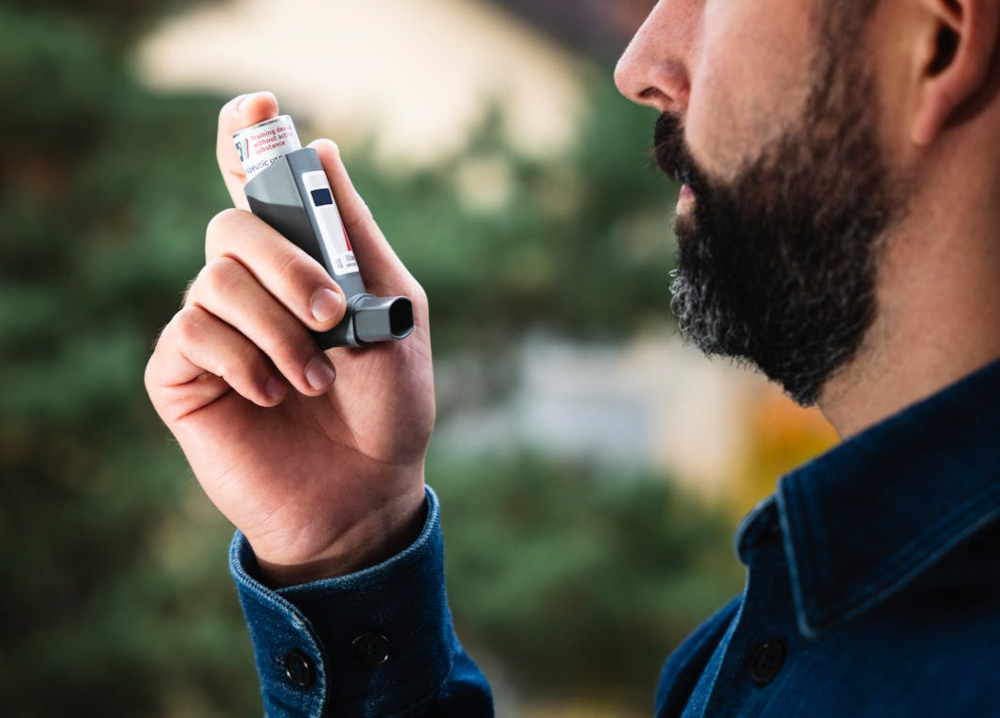
Asthma is a chronic inflammatory disease of the airways, not merely a problem of tight breathing. While prescription inhalers remain essential and lifesaving, a growing body of research suggests that certain herbs can safely support asthma management by reducing inflammation, calming bronchial spasms, improving mucus clearance, and moderating immune response. Unlike historically dramatic but risky remedies, the herbs discussed here are backed by human clinical data, pharmacological research, or longstanding use validated by modern study.
What Actually Works and Why
What follows is a practical, evidence-based look at the best-supported herbs for asthma, presented from the most broadly supported to the more specialized options.
Anti-Inflammation First
Boswellia serrata (Olibanum Indicum)
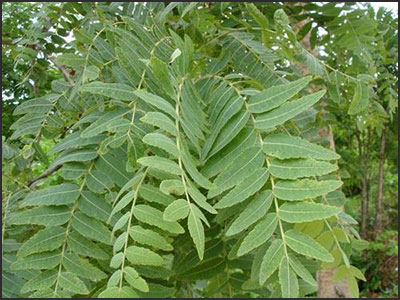 Chronic airway inflammation is the engine that drives asthma, and Boswellia serrata is one of the most well-researched herbal anti-inflammatories for this condition.
Boswellia inhibits 5-lipoxygenase, an enzyme responsible for leukotriene production. Leukotrienes are powerful inflammatory mediators involved in bronchoconstriction, mucus production, and airway swelling. In a controlled clinical trial, patients with bronchial asthma who took boswellia extract experienced significant improvement in breathing, reduced wheezing, and fewer asthma attacks compared with placebo.
Unlike corticosteroids, boswellia does not suppress immune function, making it particularly appealing for long-term support.
Immune Modulation Matters
Nigella sativa (Black Seed)
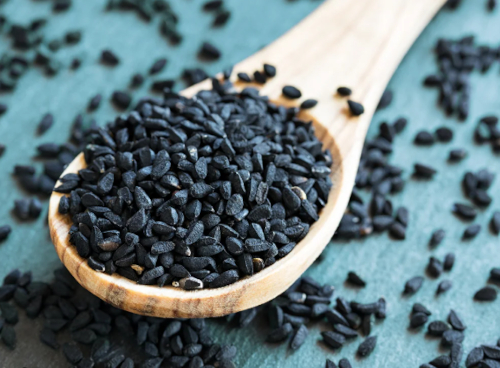 Few herbs bridge traditional use and modern validation as convincingly as Nigella sativa. Used for centuries in Middle Eastern and South Asian medicine, black seed has demonstrated bronchodilatory, antihistamine, and anti-inflammatory effects in human trials.
Clinical studies show improvements in lung function tests, reduced airway inflammation, and decreased asthma symptoms in patients using black seed oil or extract. Its active compound, thymoquinone, relaxes bronchial smooth muscle while also reducing immune hypersensitivity - making it especially useful in allergic asthma.
Calming the Airways
Tylophora indica
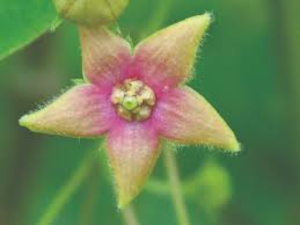 In Ayurvedic medicine, Tylophora indica has long been used specifically for asthma, and modern trials have taken notice. Controlled studies demonstrate improved pulmonary function, reduced symptom severity, and decreased reliance on rescue medications in some patients.
Tylophora appears to work by reducing mast-cell activation and histamine release, addressing one of asthma’s core mechanisms. While effective, it is typically recommended for short-term or cyclical use, as mild nausea can occur early in therapy.
Inflammation at the Molecular Level
Curcumin (Turmeric Extract)
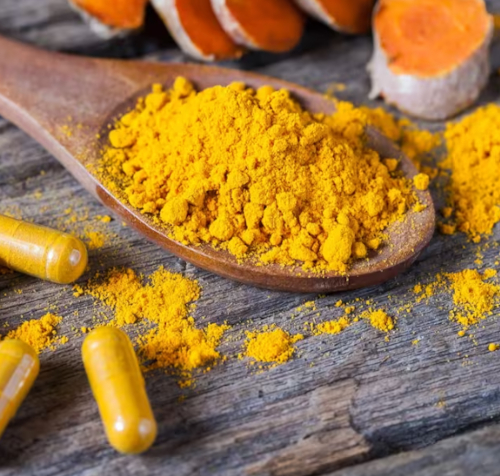 Asthma is increasingly understood as a disease of systemic inflammation, and curcumin directly targets that process. Curcumin suppresses NF-κB, TNF-α, and other inflammatory signaling pathways involved in airway remodeling and hyperresponsiveness.
Human studies show improved lung function and decreased inflammatory markers in asthma patients using bioavailable curcumin formulations. While turmeric alone is not a bronchodilator, it plays a powerful supportive role in long-term asthma control, particularly when inflammation is persistent or poorly controlled.
Clearing Mucus Safely
Thyme and Ivy Leaf
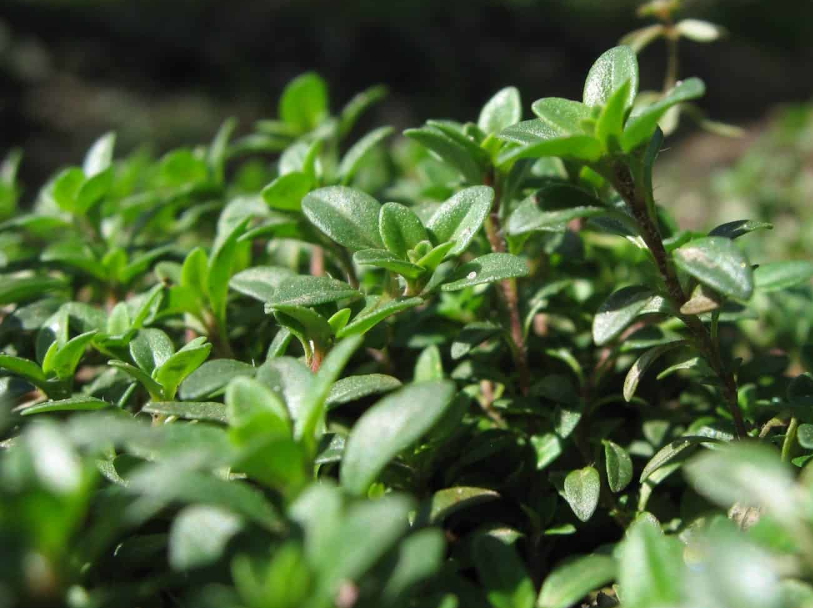 Excess mucus worsens airflow obstruction and increases infection risk in asthma. Rather than relying on harsh expectorants, research supports gentler options:
- Thyme (Thymus vulgaris) contains antispasmodic and antimicrobial compounds and has demonstrated effectiveness in respiratory conditions involving cough and bronchial irritation.
- Ivy leaf (Hedera helix) is widely used in European respiratory medicine and has been shown to improve mucus clearance and ease breathing in clinical studies.
These herbs are particularly helpful in asthma complicated by frequent respiratory infections or chronic congestion.
What About Lobelia?
Why It’s No Longer a First-Line Herb
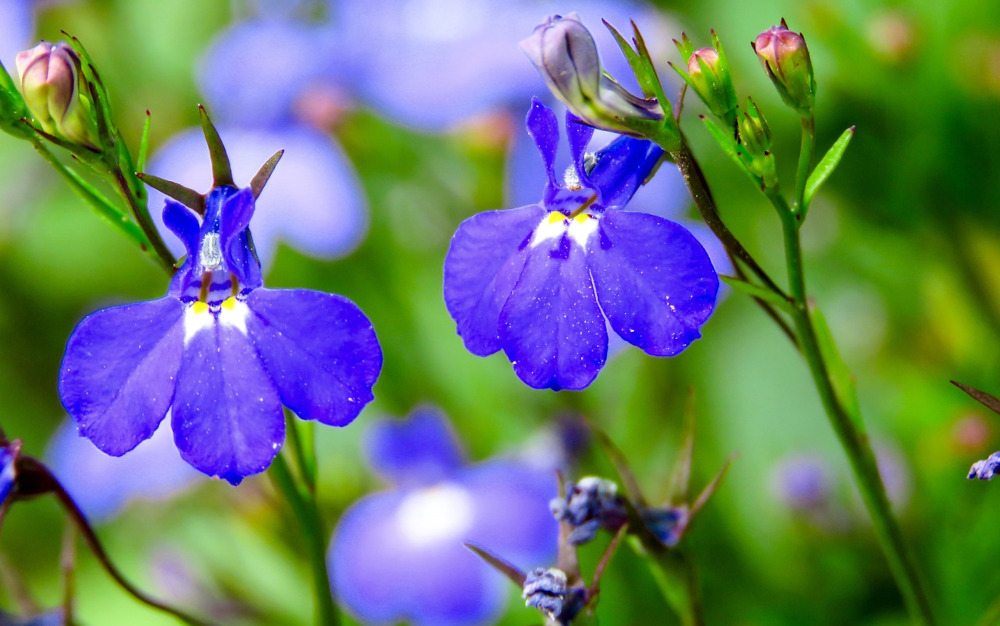 Lobelia inflata earned the nickname “asthma weed” for its dramatic respiratory effects, but modern evaluation has been far less kind. While lobeline can stimulate respiration and relax bronchial muscles at very low doses, the herb has a narrow therapeutic window and real toxicity risks.
No high-quality human trials support lobelia as a safe or effective asthma treatment, and regulatory agencies have restricted lobeline-containing products due to safety concerns. Today, most clinical herbalists either avoid lobelia entirely or reserve it for highly supervised, short-term use, if at all.
In contrast, the herbs listed above offer measurable benefits without disproportionate risk.
The Big Picture
Herbs do not replace inhalers, corticosteroids, or emergency care, but the right ones can reduce inflammation, support lung function, and improve quality of life when used responsibly. The strongest evidence favors herbs that work with asthma’s underlying biology rather than against it.
The most effective herbal strategies focus on:
- Reducing chronic airway inflammation
- Modulating immune overreaction
- Supporting bronchial relaxation
- Improving mucus clearance
When chosen wisely and used in tandem with necessary conventional treatments, herbal medicine can be a meaningful ally in asthma management, without gambling on outdated or dangerous remedies.
Love what you’re reading? Don’t miss out on future articles! Subscribe for updates on our latest posts and our bi-monthly newsletter.
Sign up now—no spam, just good vibes and holistic health insights delivered straight to your inbox!
Allegra, L., et al. “Evaluation of the Effectiveness of Boswellia serrata in the Treatment of Bronchial Asthma.” European Journal of Medical Research, vol. 3, no. 11, 1998, pp. 511–514.
Boskabady, Mohammad Hossein, et al. “The Effect of Nigella sativa on Asthma Control: A Clinical Trial.” Avicenna Journal of Phytomedicine, vol. 7, no. 1, 2017, pp. 55–61.
Memorial Sloan Kettering Cancer Center. “Lobelia.” MSKCC Integrative Medicine, 2022, www.mskcc.org/cancer-care/integrative-medicine/herbs/lobelia.
Szelenyi, I., et al. “Anti-Inflammatory and Bronchodilatory Effects of Curcumin in Experimental Asthma.” Phytotherapy Research, vol. 30, no. 6, 2016, pp. 1033–1040.
World Health Organization. WHO Monographs on Selected Medicinal Plants, vol. 2, WHO Press, 2004.
Wichtl, Max, and Robert Anton. Herbal Drugs and Phytopharmaceuticals. Medpharm Scientific Publishers, 2004.